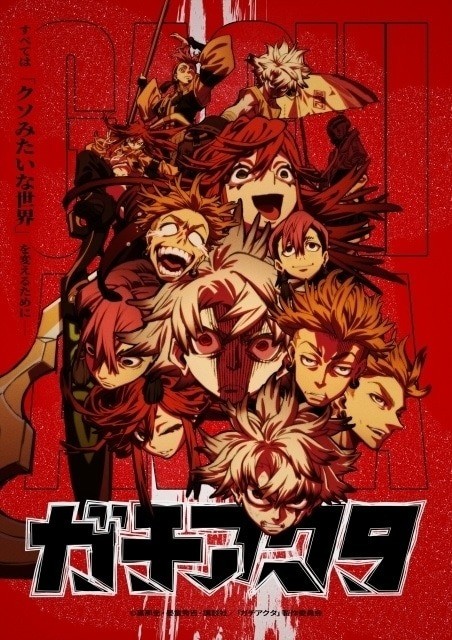
Beginning of the Episode — Rudo’s Hidden Pain
The episode opens quietly with Rudo washing his gloves late at night. His hands are badly damaged and painful underneath the gloves, almost like cursed burns. This scene is important because it shows:
- Rudo is suffering physically all the time.
- The gloves are not just accessories — they protect him.
- He still does not know the full truth about his condition.
Then Riyo secretly enters his room through the window after hearing him in pain. Their conversation becomes emotional when Rudo says only his “terrible parents” know why his hands are like this. Riyo replies that parents leave both good and bad things behind for their children.
This moment deepens both characters:
- Rudo’s anger and loneliness become clearer.
- Riyo shows empathy because she also understands emotional scars from family.
Preparation for the Forbidden Zone
The Cleaners are preparing for a dangerous mission into No Man’s Land. Before entering, they need a protective “spell” painted onto them by a special Giver.
This introduces a new idea in the world of Gachiakuta:
- Some powers can be inherited.
- Art itself can become supernatural power.
- Emotions can be embedded into objects and drawings.
The team heads to Canvas Town, also called the City of Graffiti.
Canvas Town — One of the Best World-Building Moments
Canvas Town is visually stunning:
- Every wall is covered in graffiti and colors.
- The city is protected by a giant artistic barrier.
- Art is treated as freedom and identity.
This town exists because graffiti artists were rejected elsewhere, so they created their own city. The episode uses this setting to show that creativity survives even in a ruined world.
One major detail:
The barrier around the city only allows people without evil intentions to enter. That means emotions and morality literally affect the environment here.
The Sudden Tragedy — Gob’s Death
The Cleaners came to meet a famous spell-painter named Gob, but they discover he died that very morning.
This scene changes the mood instantly.
Gob died because he entered polluted zones without protection too many times while searching for inspiration. This is important symbolically:
What Gob Represents
Gob represents artists who sacrifice themselves for creativity.
He loved art so much that he risked his life for it.
The mayor explains that Gob continued painting because bringing joy to others mattered more to him than safety.
This fits one of the biggest themes of the episode:
Even in a filthy, cruel world, humans still create beauty.