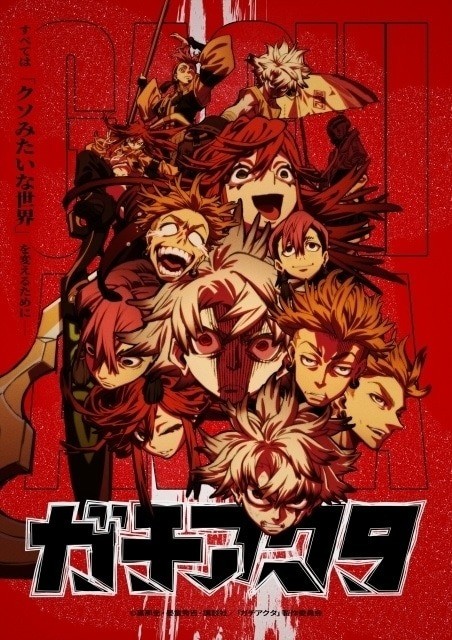
1. The Cleaners Reunite
At the start of the episode, Enjin uses his Vital Instrument to drill through the giant trash creature and reach Rudo Surebrec. Soon after:
- Dear,
- Bro,
- Riyo,
- and the injured Zanka
all regroup together.
This reunion is important because earlier episodes separated the team during the chaos. Episode 21 finally brings them together for one coordinated mission.
The Main Goal: Destroy the Core
The giant trash beast is moving toward the Sphere.
If it crosses the Boundary:
- the upper world could be attacked,
- the secret of the Pit may be exposed,
- and massive destruction could happen.
Rudo discovers the creature’s weak point:
the core (heart) inside the beast.
The entire episode becomes a race against time — which is why the episode title is “TIME ATTACK.”
Bundus Blocks Rudo
Just when Rudo attacks the core with his nail-gun Vital Instrument, Bundus Begalkeit suddenly appears and blocks the hit with his prosthetic-arm weapon.
This creates one of the episode’s most important themes:
“Personal pride vs saving the world”
Bundus wants to prove himself as a Raider.
He is obsessed with strength and recognition.
Meanwhile, Rudo is focused only on saving everyone.
So the fight is not just physical —
it represents two completely different mindsets.
Why the Fight Feels So Intense
The animation quality in Episode 21 became extremely popular among fans online. Many viewers called it “cinema” because of:
- fluid motion,
- dramatic camera angles,
- powerful impact frames,
- and emotional pacing.
Studio Bones used high-level animators for this episode, which is why the combat feels much more dynamic than earlier episodes.
Rudo’s Character Growth
Earlier in the series, Rudo was:
- angry,
- reckless,
- and focused on revenge.
But in Episode 21, he changes.
Instead of fighting only for himself, he:
- leads the team,
- thinks strategically,
- and risks his life for everyone.
This episode shows that Rudo is becoming a true Cleaner rather than just a survivor.
Zodyl’s Presence
Zodyl Typhon does not dominate the action directly in this episode, but his presence feels terrifying throughout.
He watches the situation calmly, almost like he is testing everyone.
That makes him dangerous because:
- he stays emotionally controlled,
- he understands chaos,
- and he manipulates people psychologically.
The episode hints that Zodyl is still hiding far more power than what we have seen.
Symbolism in the Episode
Trash Beast = Corrupted Society
The giant monster represents:
- the garbage created by society,
- hidden sins,
- and the consequences of discrimination.
The upper world throws away both trash and unwanted people.
Now that “trash” is literally coming back to attack them.
That is one of the core themes of Gachiakuta.